
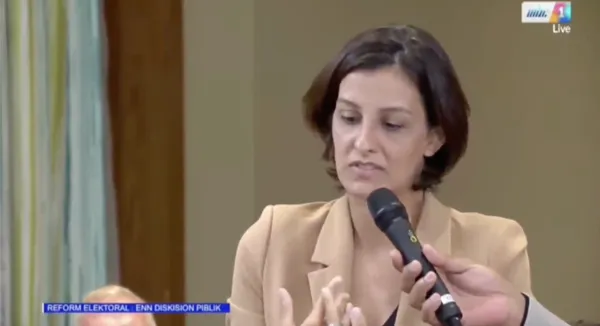
On 29 January 2026, we submitted an electoral reform proposal to the Prime Minister's Office, advocating for diaspora enfranchisement. A few weeks later, on 18 February, we were honoured to be invited onto national television as part of a select audience brought in to comment on MBC's debate on electoral reform.
When the floor opened, we seized the moment. Diaspora voting rights had yet to come up among the panellists, so we put it on the agenda ourselves.
Why this matters
Excluding the Mauritian diaspora from the right to vote is an active withdrawal of a democratic right — one that Mauritius, as a recognised African leader in governance and stability, should be uncomfortable with. Over 100 countries, including 35 African nations, have already enfranchised their overseas citizens. On this front, we are falling behind.
Restoring diaspora voting rights is not a concession. It is a correction, and one that benefits the country as a whole. The diaspora contributed Rs13.3 billion in personal remittances in 2024 alone, representing 1.9% of GDP. But financial transfers are only the beginning. When diaspora members have a genuine stake in their country's future, the relationship deepens: from passive remittance senders to active investors, advocates, and partners in national development. Enfranchisement also sets an important foundation that will encourage diaspora engagement with government initiatives, including the PMO's Diaspora Advisory Council and the Ministry of Foreign Affairs' Diaspora Cell.
Addressing the concerns
We take the concerns raised about diaspora voting seriously, which is why we have studied them carefully.
The most common is that extending voting rights could overwhelm the local vote, or create the awkward situation of people voting in constituencies where they no longer live. The creation of a 22nd constituency — a dedicated overseas constituency — addresses both concerns directly. It gives the diaspora a voice without displacing or diluting the votes of resident citizens. Local sovereignty is preserved; democratic inclusion is extended.
One panellist argued that only Mauritians who pay tax should be entitled to vote. We pushed back, because it is fundamentally wrong to make civic rights dependent on taxation, and because the logic also does not hold. Income tax in Mauritius kicks in above Rs40,000 per month, meaning local residents earning below that threshold pay no income tax either. If tax payment were a condition of voting rights, we would be stripping the vote from a significant portion of the resident population too. Civic rights and tax liability are, and must remain, separate. The right to vote is a fundamental democratic right tied to citizenship, not income.
A second argument was that diaspora members develop divided allegiances over time. The evidence points the other way. Cabo Verde enfranchised its diaspora in 1991 and gave them parliamentary representation; within a decade, the World Bank recorded significant diaspora-led financial flows driving economic growth, and the country has since reached upper-middle-income status with real GDP growth of 7.3% in 2024. Mexico saw its diaspora investment programme surge from USD 15 million to over USD 42 million in just two years following enfranchisement. These are not stories of weakened allegiance — they are stories of what happens when a country treats its diaspora as stakeholders rather than spectators.
Looking ahead
The clock was ticking in that studio, and there is always more to say. But the message we wanted to land was simple: diaspora enfranchisement is not a zero-sum debate. It is a reform that benefits everyone — the diaspora, resident Mauritians, and the country as a whole.
If you are a member of the diaspora and would like to be enfranchised, consider signing and sharing our petition.
We thank the MBC for the invitation, and for giving the Mauritian diaspora the opportunity to be heard.